

Hot Water Cylinder Sizes: What Size Do You Need for Your Home?

13 October 2026

Share this article

Hot water cylinder sizes are measured in litres, and picking the right one is the difference between a hot shower for everyone and a lukewarm one for whoever's last in the queue.

Three hot water cylinder sizes side by side, from 135L to 250L, showing the difference in height

This guide covers the sizes most Kiwi homes use, how many people each one suits, and how to check it will actually fit. It's aimed at Auckland homeowners and landlords replacing an old cylinder, renovating, or tired of running out of hot water by 8am.

How to work out the right size

The simplest starting point is the number of people living in the house. The BRANZ Level guide to storage cylinders puts typical use at 40 to 60 litres of hot water per person per day. Multiply that by your household and you've got a rough daily figure. Then adjust for how you actually live:


  • Shower habits: long showers, teenagers and back-to-back morning routines all push you toward the upper figure.
  • Baths: a spa bath or regular deep baths can empty a smaller cylinder in one go.
  • Mains pressure: higher flow from the tap means more hot water used per minute, so households upgrading from low pressure often go up a size.
  • Guests and growth: if a baby is on the way or the in-laws visit often, size for that.


Bigger isn't automatically better, though. An oversized cylinder keeps water hot that nobody uses, and you pay for that heat every day.


The most common sizes in NZ homes

Here's a quick guide to the common sizes and who they usually suit. Use it as a starting point, not a final answer.

  • Under 135L: one person, a sleepout or a granny flat.
  • 135L: one or two people.
  • 180L: two to four people, and the most common size in Auckland homes.
  • 250L: four or five people, or a busy household with two bathrooms.
  • 300L: five or more people, or homes with a spa bath.


check 180 litre hot water cylinder dimensions before installation - will it suit your family needs?

Small hot water cylinder options

A small hot water cylinder can make a lot of sense for a studio, a sleepout or a minor dwelling with its own kitchen and bathroom. Units from around 45L are available and can sit in a compact cupboard or under a bench. Pipe Fix also uses 45L cylinders as temporary hot water during repairs, which shows how far a small unit can stretch for a short stint. Most small hot water cylinder NZ models are built with one person in mind, so a full-time household of two or more will usually run them dry too quickly.


135 litre hot water cylinder

A 135 litre hot water cylinder suits a couple or a single person with a single bathroom. It's also a common size in older Auckland units and townhouses where cupboard space is tight. Many 135L hot water cylinder models are the same width as a 180L, just shorter, which makes them handy where height is the limit.


180 litre hot water cylinder

If you're not sure, a 180 litre hot water cylinder is the safe middle ground. It handles most families of three or four with one bathroom, and it's the size most replacements in Auckland go back in at. It's also widely available in both low and mains pressure versions, which keeps choice and pricing competitive.


250 litre hot water cylinder

Step up to a 250 litre hot water cylinder when you've got four or five people, two bathrooms in use at the same time, or teenagers who treat a shower like a holiday. A 250L hot water cylinder is noticeably wider or taller than a 180L, so measure before you commit.


300 litre hot water cylinder

A 300 litre hot water cylinder is for big households, homes with a spa bath, or anyone running a home business that uses hot water. It needs a decent cupboard or an outdoor position, and it costs more to keep hot, so it only earns its place if you'll actually use the capacity.


180 litre hot water cylinder dimensions and fitting it in

Capacity is only half the story. The cylinder also has to fit the space, with room for valves, pipework and a safe tray underneath. As an example, a Rheem 180L mains pressure stainless cylinder sold in NZ measures 560mm wide and 1,295mm tall, while the 135L version of the same range is 560mm wide and 1,010mm tall. Other brands differ, so always check the spec sheet for the exact model.


When you're checking 180 litre hot water cylinder dimensions against your cupboard, measure:

  • Width and depth: allow extra space around the cylinder for valves and access.
  • Height: include the safe tray and the pipe connections on top.
  • Door opening: the cylinder has to get through the door, not just fit inside once it's there.


Diameters vary a lot across the market, from roughly 460mm to 810mm. Shorter, wider cylinders tend to lose less heat than tall, slim ones, so if you have the floor space, a squat model can be the more efficient pick.


Other things that change the size you need

A few situations change the maths:


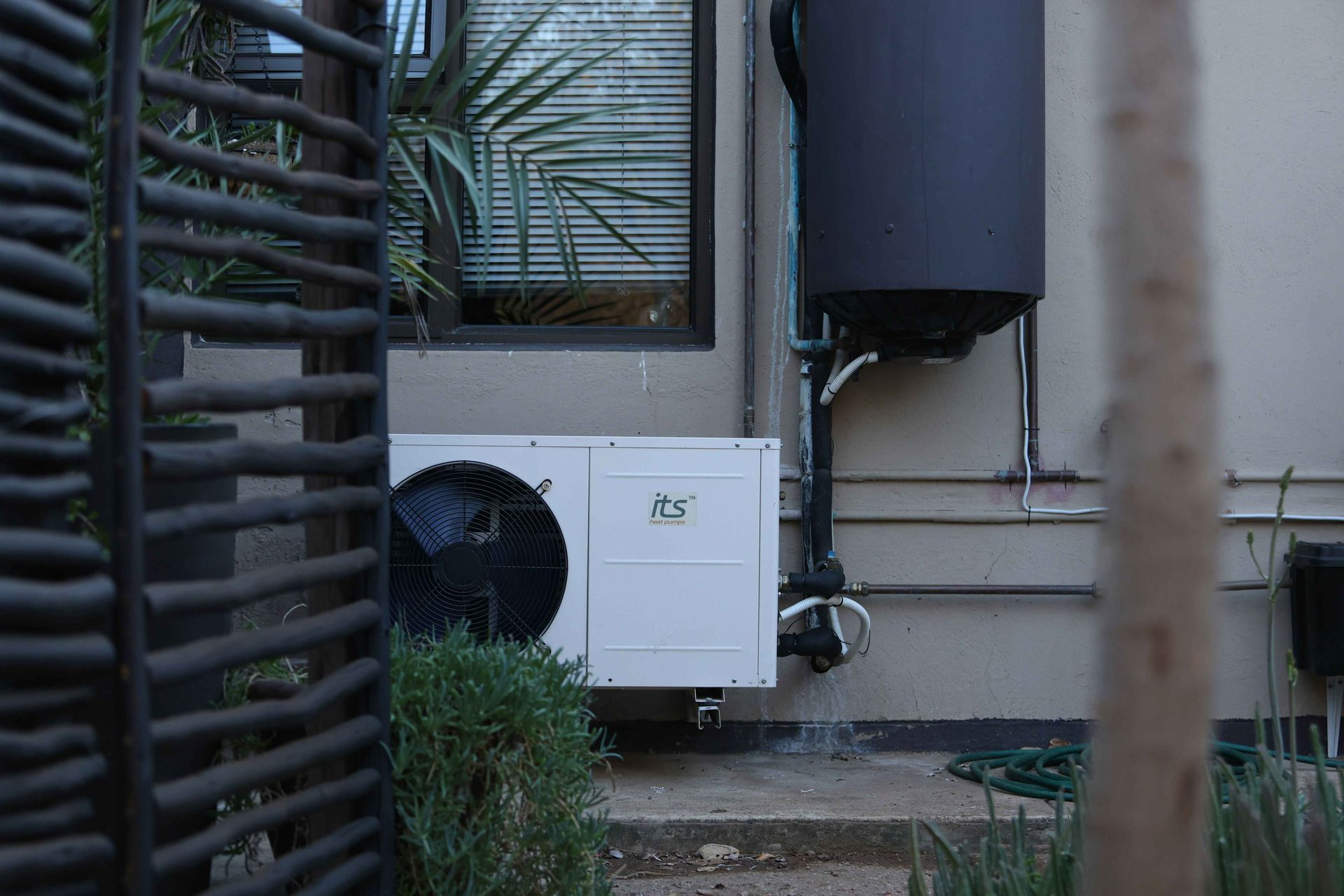
  • Heat pump hot water: these still store water in a tank, so sizing follows similar rules, but recovery times can be slower. Ask about the model's reheat speed.
  • Gas continuous flow: there's no storage tank at all, so size is about flow rate rather than litres.
  • Outdoor cylinders: moving the cylinder outside frees up your cupboard and can open up bigger size options.
  • Night rate power: if your cylinder only heats on cheaper overnight power, you'll want enough stored to last all day.


Compact water heater or explore outdoor cylinder options like this?

Signs your current cylinder is too small

If the last person in the shower regularly gets cold water, the dishwasher and a shower can't run together, or you're constantly bumping the thermostat up to compensate, your cylinder is probably undersized for how you live now. Households change, and a cylinder that suited two people ten years ago can struggle with four.

Get the size right the first time

Choosing a size is easier with a plumber standing in front of your cupboard. Pipe Fix's licensed plumbers can look at your household, your current setup and your space, then recommend the size that fits both. Our hot water cylinder installation service covers supply, fitting, valves and testing, with most jobs done in around half a day. If budget is the next question, our guide to [hot water cylinder replacement cost] breaks down typical Auckland prices.


Call 021 217 2782 to talk sizing with the team. Not sure what you've got now? The label on the side of the cylinder lists its capacity. Snap a photo, send it to
info@pipefixplumbing.co.nz, and the team will suggest what to go with.


Frequently asked questions

  • What size hot water cylinder do I need for a family of 4?

    A 180L cylinder is usually enough for four people with one bathroom. If you have two bathrooms in use at once, teenagers or a spa bath, a 250L hot water cylinder is the safer choice. The Pipe Fix team can check your current usage before recommending one.

  • What are the standard hot water cylinder sizes in NZ?

    The most common hot water cylinder sizes NZ suppliers stock are 135L, 180L, 250L and 300L, with small hot water cylinder NZ options from around 50L for sleepouts and studios. Most Auckland homes use a 180L. Exact dimensions vary by brand and by low or mains pressure.

  • Is a 135L hot water cylinder big enough for 2 people?

    Yes, for most couples a 135L hot water cylinder is enough. It may feel tight if you both shower back to back on mains pressure, in which case a 180L gives more breathing room. Pipe Fix can advise based on your routine.

  • How big is a 180 litre hot water cylinder?

    It depends on the model, but a common 180L mains pressure stainless cylinder is about 560mm wide and 1,295mm tall. Allow extra room for valves, pipe connections and a safe tray. Always check the spec sheet for the exact model before buying.

  • Can I fit a bigger cylinder in the same cupboard?

    Sometimes. Going from 135L to 180L often works if the cupboard has enough height, because many models share the same width. Moving up to a 250 litre hot water cylinder usually needs more space or an outdoor position, and Pipe Fix can measure up and tell you what's realistic.

  • Does a small hot water cylinder save power?

    No, not if it's too small for your household. A cylinder that runs out forces extra reheating, and you may end up turning the thermostat up. Getting the size right for the number of people is what keeps power use sensible.

Recent Posts

13 October 2026
Gas vs electric hot water NZ guide: running costs, upfront prices and how a hot water heat pump vs gas compares, from Auckland's 24/7 hot water plumbers.
13 October 2026
Hot water cylinder leaking from bottom seals, valves or the roof overflow? What each leak means, how to make it safe, and when to call. 24/7 Auckland.
17 August 2026
Learn the hidden signs of water leaks Kiwi homeowners often miss, what causes them, and when to call Pipefix Plumbing for fast, reliable leak detection.

winter plumbing tips NZ, prepare plumbing for winter NZ, winter plumbing maintenance.
10 July 2026
Cold months can be brutal on pipes. I share simple winter plumbing maintenance tips NZ homeowners can use to avoid bursts, leaks, and costly repairs.
9 July 2026
Cut water waste and power bills with eco-friendly plumbing upgrades. Practical green plumbing solutions for NZ homes that actually make a difference.
28 April 2026
Drainage problems are present in Auckland homes, both in heavy storm weather and also from day-to-day usage. Be on top of the signs when maintaining your home.
hot water cylinder NZ
5 March 2026
Noticing issues with your hot water cylinder NZ system? Learn the warning signs of a leaking hot water cylinder and when to repair or replace it.
Choosing a Reliable Emergency Plumber in Auckland
18 February 2026
Need an emergency plumber in Auckland? Learn how to choose a reliable 24 hour plumber, what counts as urgent plumbing, and what to watch out for in a call-out.
Leak Detection
12 January 2026
Seeing your water bill climb for no clear reason? Learn the common causes of a rising water bill in NZ and how professional leak detection can stop hidden water loss.