What You Can Reasonably Handle Yourself
There are quite a few minor plumbing tasks that most homeowners can take care of without needing to pick up the phone, and there is nothing wrong with tackling these on your own as long as you are comfortable with basic tools and you take your time.
Unclogging a Slow or Minor Drain Blockage
A slow drain in the kitchen or bathroom is usually the first sign that something is building up near the surface. A good plunger or a basic drain snake from your local hardware store will clear most surface-level blockages, and a combination of baking soda and white vinegar can help break down grease and soap residue over time. If the drain clears and stays clear, you are done. If it keeps coming back within days, that is a sign the blockage is deeper in the system and needs professional attention.
Replacing a Washer on a Dripping Tap
If your tap has been dripping for a while and you can turn off the water supply at the isolating valve beneath the sink, swapping out a worn washer is something most people can manage with a spanner and a bit of patience. It is one of the most common causes of dripping taps and one of the most straightforward fixes in domestic plumbing.
Installing a New Showerhead or Tapware
Replacing a showerhead usually involves nothing more than unscrewing the old one and threading on the new one with a bit of plumber's tape to seal the connection properly. Most modern tapware and fixtures are designed with straightforward installation in mind, and this is a great DIY project for anyone who is reasonably handy around the house.
Fixing a Running Toilet
If your toilet keeps running long after you flush, the issue is usually inside the cistern. Adjusting the float, replacing the flapper valve, or checking that the chain is not catching on anything are all tasks you can carry out with minimal tools and no risk to your water supply. It is worth sorting promptly, too, because a constantly running toilet can waste a surprising amount of water over the course of a week.
Replacing a Toilet Cistern Lever or Ballcock Mechanism
If the flush mechanism itself has failed, the internal components of most cisterns are readily available at plumbing supply stores and are designed to be replaced without specialist knowledge. As with any internal cistern work, just make sure you turn off the water supply before you start.
The golden rule with any of these jobs is this: if you are not confident after reading the instructions or watching a tutorial, stop and call someone. A small mistake can quickly escalate, and plumbing damage inside walls or under floors is far more expensive to put right than the original job would have been.
When DIY Plumbing in NZ Can Get You Into Trouble
The reality of plumbing in New Zealand is that quite a bit of work is legally required to be carried out by a licensed tradesperson. Under the Plumbers, Gasfitters, and Drainlayers Act, any work that involves connecting or altering water supply pipes, drainage systems, or gas fittings must be completed by someone who holds the appropriate licence. This is not just a formality. It exists to protect you, your family, and your property from serious harm.
Persistent or Major Leaks
If a leak keeps coming back despite your best efforts, it is almost certainly a sign of a more serious underlying problem. Pipe corrosion, joint failure, and hidden breaks behind walls or under concrete are all things that require professional tools and diagnostic experience to locate and repair. By the time water has been pooling inside a wall for weeks, the damage extends well beyond the pipe itself, and you may be looking at timber replacement and mould remediation on top of the plumbing repair.
Low Water Pressure Throughout the House
Weak water pressure from a single tap is usually a minor blockage you can sort yourself, but when the drop is happening across the whole house, that is a different story altogether. It could point to sediment narrowing the inside of ageing pipes, a slow leak somewhere in the system bleeding pressure before it reaches your taps, or something going wrong at the point where your supply connects to the main line. Tracking down the actual cause takes the right diagnostic equipment and someone who knows what to look for, so this is one of those situations where calling a qualified plumber in New Zealand early will save you a lot of time and frustration.
Hot Water System Faults
Hot water systems look straightforward from the outside, but what sits behind the panels is a different matter entirely. Electric cylinders, gas continuous flow units, and solar setups all involve pressure relief components, and many connect to both electrical wiring and gas lines at the same time. Our hot water system work is handled exclusively by fully certified technicians because the consequences of getting it wrong go well beyond an inconvenient cold shower. An installation that does not meet the required standard creates a safety risk for everyone in the home, and it will also wipe out any manufacturer's warranty the unit came with.
Blocked or Damaged Drains That Keep Coming Back
A blockage that clears and then returns repeatedly, or drains that gurgle and produce unpleasant smells despite your best efforts, usually indicates something more significant is happening further down the line. Tree root intrusion, collapsed sections of pipe, and cracked drain walls are all common in Auckland properties, and none of them can be diagnosed or resolved from above ground. Our team uses specialist CCTV inspection equipment to identify the exact cause and location of drain problems across Auckland, which means you get a clear answer without any unnecessary digging.
Bathroom or Kitchen Renovations
Any renovation that involves moving plumbing fixtures, relocating waste pipes, or installing new supply lines falls into the category of licensed work under New Zealand building regulations. Getting this done properly from the start is also what protects your investment over the long term. Our bathroom renovation work in Auckland is always completed to the correct standard, which matters not only for your safety but for building consent compliance and the resale value of your home.
The Hidden Costs of Getting It Wrong
We see this scenario play out more often than we would like. A homeowner attempts a plumbing repair themselves, something goes slightly wrong, and by the time they call us, the situation has grown considerably. We are never here to judge, because we know these things happen with the best of intentions, but it is worth understanding what the real cost of a DIY mistake can look like.
Water damage is expensive. Even a slow leak that goes undetected for a few weeks can cause damage to flooring, cabinetry, and structural timbers that runs into the thousands of dollars to fix. If the leak occurs behind tiles in a bathroom that was not installed to code, the cost of removing and reinstating those tiles on top of the actual plumbing repair can be substantial.
There is also the insurance question. If you carry out plumbing work that is legally required to be completed by a licensed tradesperson, and something goes wrong as a result, your home insurance policy may not cover the resulting damage. It is the kind of fine print nobody wants to discover after the fact, so it is always worth understanding before you start any significant project at home.
Finally, there is the compliance issue. Work completed without the necessary certifications can create problems when you go to sell your property, as it may need to be brought up to code before settlement can proceed. The cost and inconvenience at that point are often far greater than simply having the work done correctly in the first place.
Clear Signs You Need to Ring a Professional Plumber
Some plumbing situations leave room for a bit of trial and error before you pick up the phone. Others do not, and knowing the difference matters quite a bit when things start going wrong in a hurry.
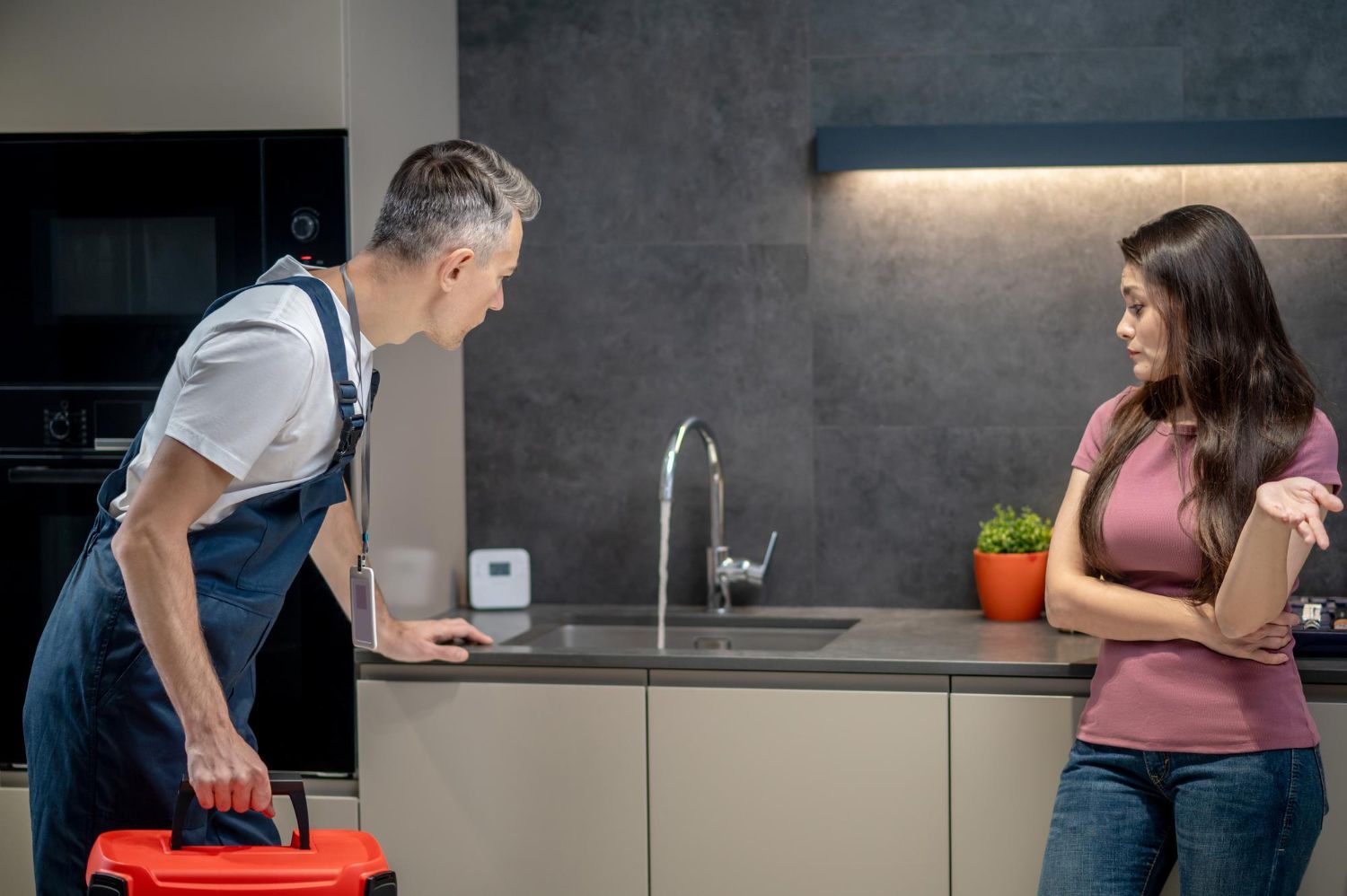
No hot water at all and no pressure anywhere in the house are two of the clearest signals that something has gone wrong at a system level, and neither one is something you should be poking around with unless you know exactly what you are dealing with. Gas is in a different category altogether. If you pick up a smell near your appliances, your gas meter, or anywhere along your gas lines, get everyone out of the house and call your gas provider straight away. Once that is done, reach out to a certified gasfitter before going back inside. Our team holds full certification for gasfitting work across Auckland, and we treat any call involving gas as the first job through the door, no matter what else is on the schedule.
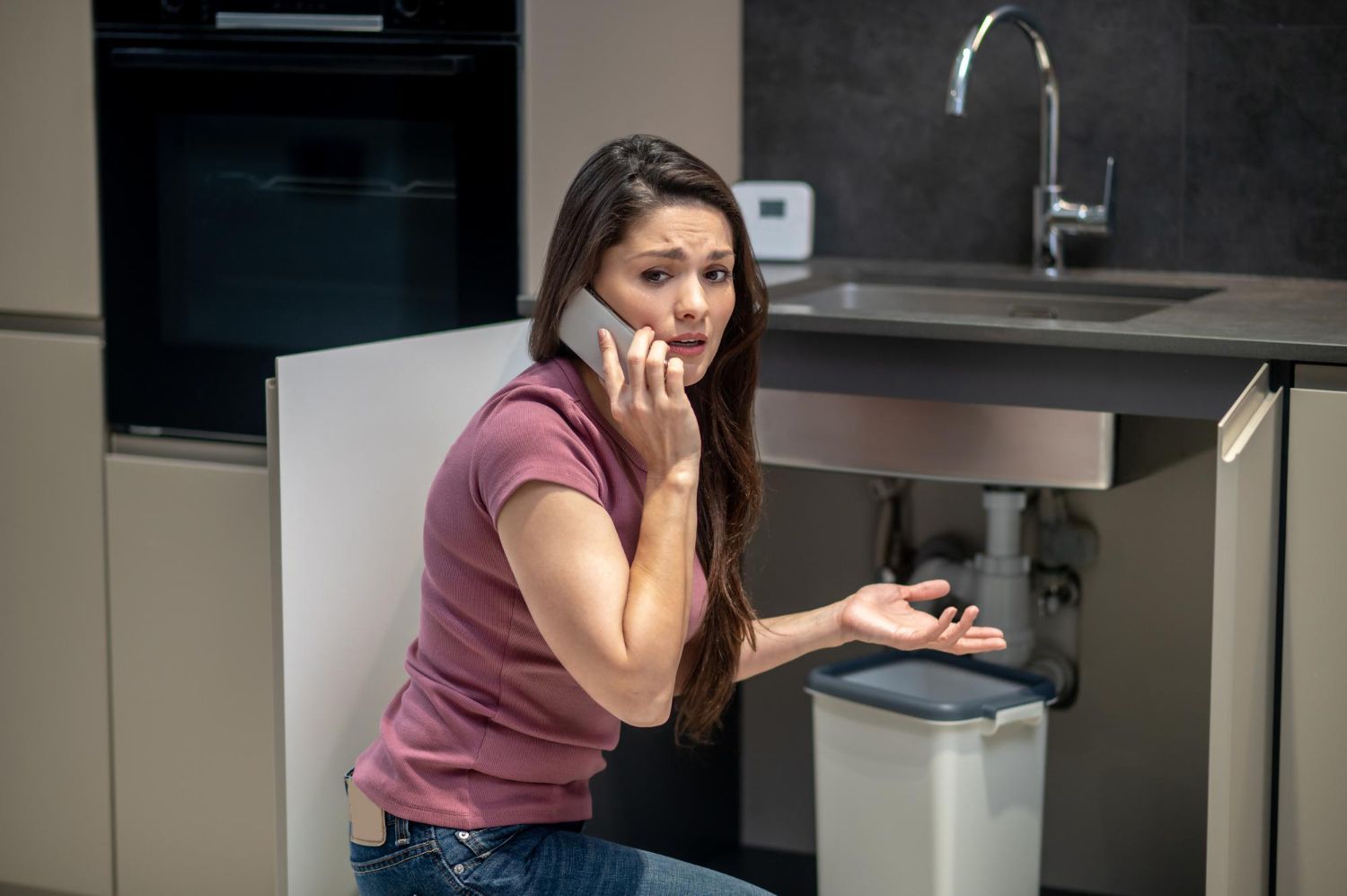
Burst pipes, whether visible or suspected, require an immediate professional response. The longer water runs where it should not, the more damage it is doing. We offer 24/7 emergency plumbing throughout Auckland precisely because plumbing emergencies do not wait for business hours.
Sewage or wastewater backing up into your home is another situation that should never be treated as a DIY job. Beyond the obvious unpleasantness, sewage contains harmful pathogens, and dealing with it safely requires the right protective equipment and appropriate disposal methods that go well beyond what most homeowners have access to.
Why Choosing a Licensed Plumber in New Zealand Matters
Choosing a licensed plumber in New Zealand is about more than getting someone competent to show up with the right tools. It means the person working on your home has gone through recognised trade training, holds current certifications, and is legally accountable for the work they carry out. That kind of backing matters, especially when the job involves something as fundamental as your water supply, drainage, or gas lines.
At Pipe Fix Plumbing, we are proud Master Plumbers members. That means our residential workmanship is backed by the Master Plumbers Guarantee of up to $20,000 (as stated on our website, please verify this figure reflects the current guarantee terms before publishing), and we carry full public liability insurance so that if anything unexpected occurs, you are covered. Every Master Plumbers member goes through a comprehensive quality assurance process, which is why the accreditation genuinely means something to the homeowners who use it as their benchmark when choosing a tradesperson.
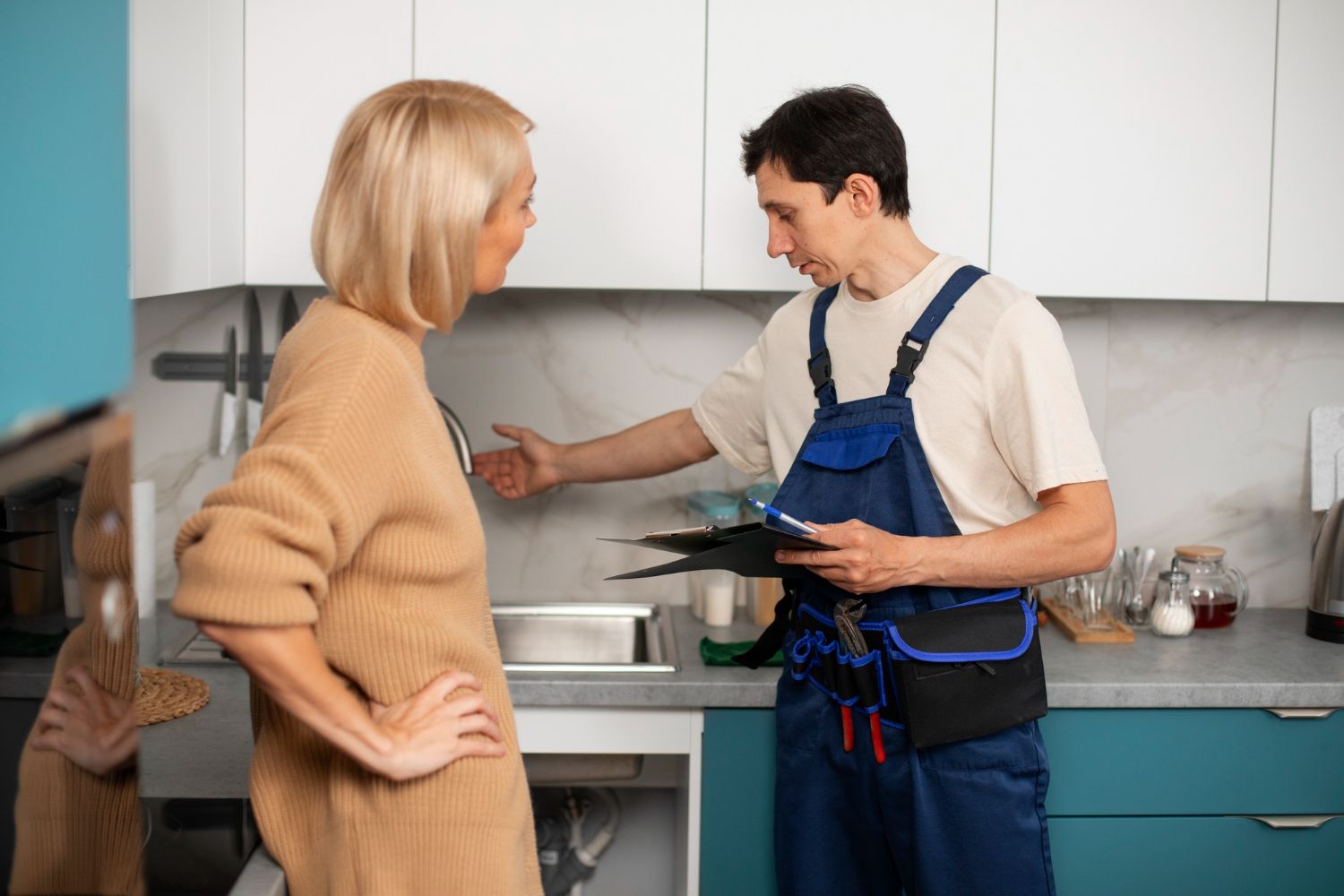
Tom and our team have worked on everything from straightforward tap repairs to complete hot water system installations and full bathroom renovations across Auckland and Waiheke Island. We give honest assessments, clear upfront quotes, and we aim to get every job done correctly on the first visit. Our 5-star reviews on both Google and Facebook reflect the standard we hold ourselves to, because we genuinely believe your home deserves nothing less.
Know Your Limits and Call Before It Gets Worse
Feel free to handle the simple stuff yourself when you are confident, and the job is genuinely within DIY territory. But when the problem involves the main water supply, drainage infrastructure, gas fittings, hot water systems, or anything that looks more involved than it should, the right move is to reach out to a qualified plumber. The cost of a professional call-out is almost always a fraction of what it costs to fix a DIY repair that has gone sideways, and calling early almost always saves money, time, and stress.
If you are ever unsure whether something needs a professional, give us a call, and we will give you an honest answer. We are open 24 hours, seven days a week, because plumbing problems do not keep office hours and, frankly, neither do we.