Why Winter Is Tough On Your Plumbing
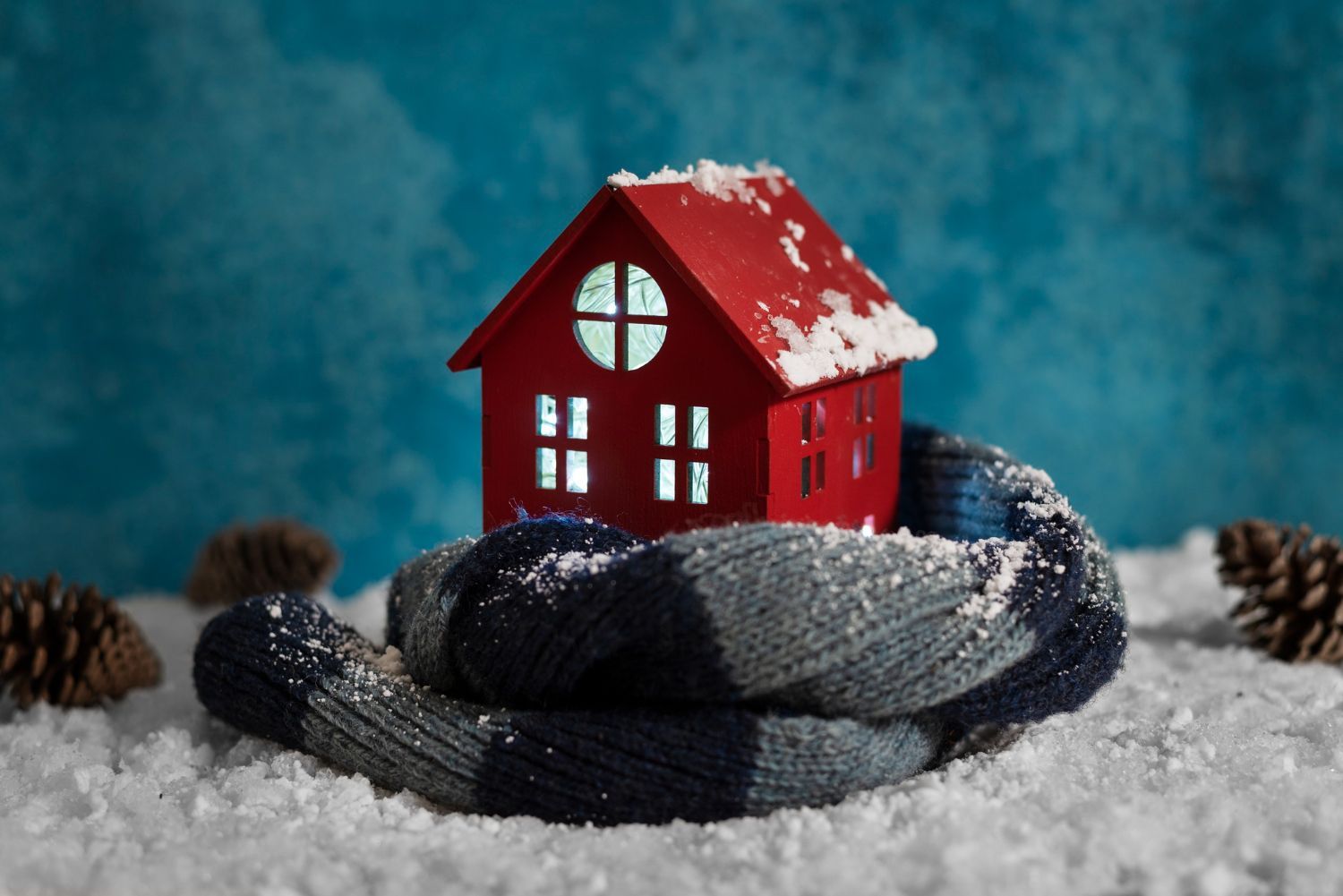
New Zealand winters might not be as brutal as some countries', but our pipes weren’t always built with extreme cold in mind, especially in older villas and bungalows around Auckland. When temperatures drop overnight, water sitting in exposed pipes can get cold enough to slow right down, and in some properties (particularly those up in higher, frostier areas), pipes can freeze and even crack.
On top of that, winter is when your hot water system works overtime. More showers, more baths, more dishes, more loads of washing because everything takes longer to dry outside. If your cylinder or heat pump system has been quietly struggling all year, winter is usually when it finally gives up the ghost.
Then there’s the rain. Auckland gets hammered with heavy downpours throughout winter, and that’s when blocked gutters, overwhelmed drains, and dodgy seals around your roof and pipes really show their weak points. A small drip in summer can turn into a proper leak once the rain doesn’t let up for days.
Basically, winter doesn’t create plumbing problems out of nowhere. It just exposes the ones that were already there, waiting.
Check Your Hot Water System Before You Need It Most
This is probably the single biggest thing on my list of winter plumbing tips NZ homeowners should tackle early. Nothing ruins a frosty morning faster than a cold shower you weren’t expecting.
If your hot water cylinder is getting on in years (most last around 10 to 15 years), it’s worth having someone take a look before the cold sets in, rather than after it’s already failed. Common warning signs include water that takes longer to heat, strange noises from the tank, or water that looks a bit rusty or discoloured.
For households with gas hot water systems, it’s also worth checking that everything’s running cleanly and safely, since these units tend to be used a lot more during winter months. If you’re on the fence about whether your current setup is up to the job, our hot water systems page covers the options available and what might suit your home better.
Insulate Exposed Pipes, Especially Outside
If you’ve got pipes running along an exterior wall, under the house, or anywhere in an unheated space like a garage or laundry, these are the ones most at risk when temperatures dip. A length of foam pipe insulation from the hardware store is cheap and easy to fit yourself, and it makes a real difference.
Outdoor taps deserve a bit of extra attention, too. If you’ve got a tap outside that you rarely use over winter, consider fitting an insulated tap cover (sometimes called a tap jacket). They’re inexpensive and take two minutes to pop on, but they can prevent a frozen and potentially cracked tap fitting.
If you’re not sure which pipes around your property are at risk, it’s worth having someone walk through with you and point out the vulnerable spots. This is one of those small jobs that’s genuinely worth doing once and then forgetting about for years.
Clear Your Gutters And Downpipes
This one isn’t strictly plumbing inside your home, but it has a massive knock-on effect. When gutters get clogged with leaves and debris (and Auckland’s got plenty of trees to drop them), rainwater has nowhere to go except over the edge, down the walls, and sometimes straight into your foundations or under your house.
Before the heavy winter rain arrives, grab a ladder (or get someone in if heights aren’t your thing) and clear out anything blocking the gutters and downpipes. While you’re up there, check for any obvious sagging, rust spots, or loose brackets. A gutter that’s pulling away from the fascia can let water run straight down your exterior walls, which eventually finds its way inside.
If your roof itself has seen better days, particularly if you’ve got an older corrugated iron roof, this is also a good time to get any repairs sorted. We cover this kind of work over on our roofing page if you want to see what’s involved.
Keep An Eye On Your Drains
Drains and winter don’t mix well. Combine heavy rainfall with the extra waste that builds up over the colder months (think more cooking, more dishes, more general household traffic), and you’ve got a recipe for blockages.
A few things worth doing as part of your winter plumbing maintenance routine: run hot water through your kitchen sink regularly to help dissolve any grease buildup, avoid pouring fats or oils down the drain (let them cool and bin them instead), and keep an eye on how quickly water drains from your sinks, showers, and bath. If things are draining more slowly than usual, that’s often an early sign of a blockage forming, and it’s much easier to sort early than after it’s completely clogged.
For outdoor drains, give them a quick check too. Leaves and debris love to settle around drain covers, especially during a wet, windy winter. If you do notice water backing up or pooling somewhere, it shouldn’t; our drainage repairs team deals with this sort of thing regularly and can usually get to the bottom of it quickly.
Don’t Ignore Small Drips And Leaks
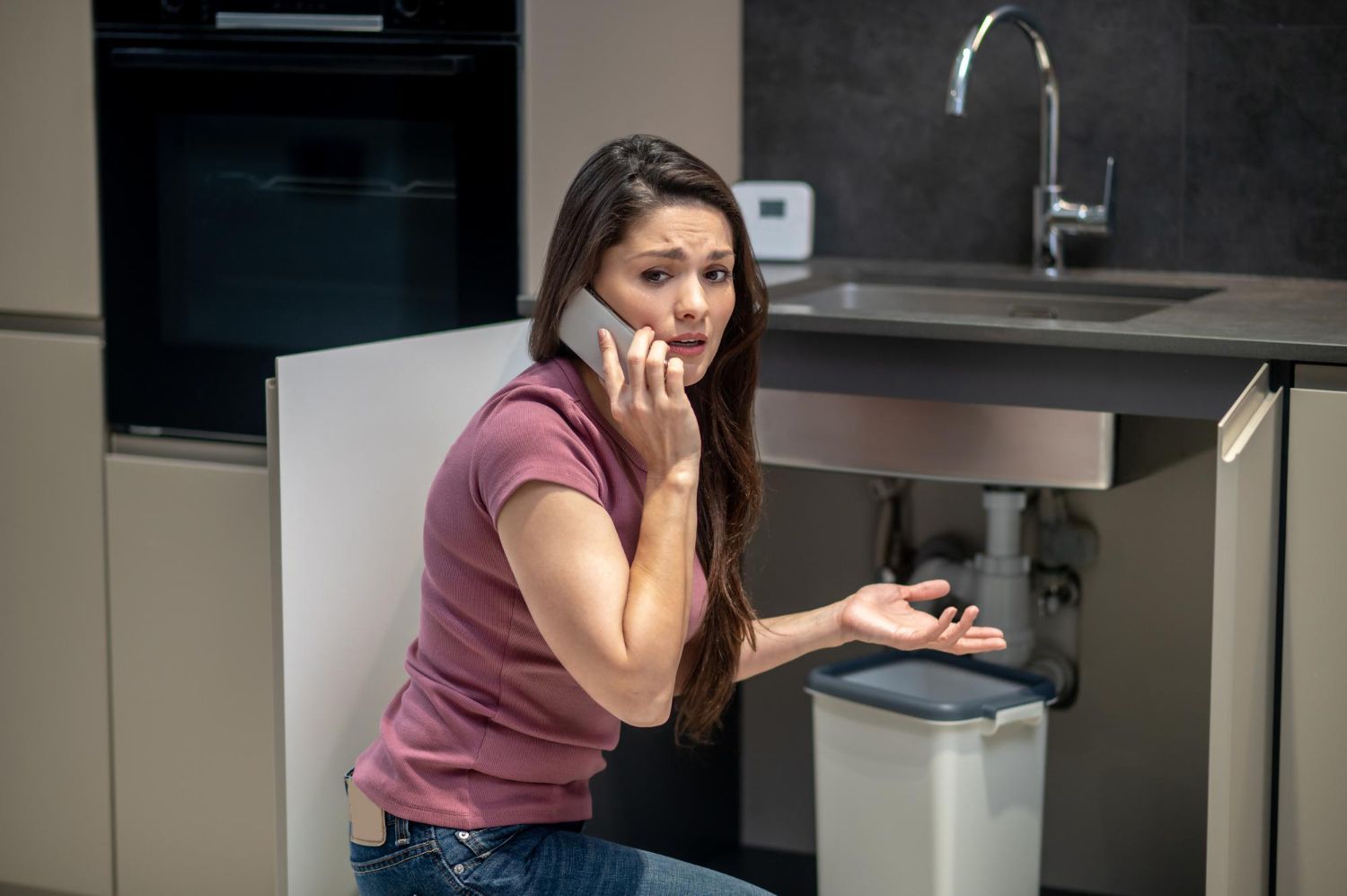
It’s tempting to put off fixing a tap that drips occasionally, especially when there are bigger things on your to-do list. But winter has a way of turning small annoyances into bigger headaches. Cold weather can cause materials to contract slightly, and a seal or washer that was barely holding on might finally give up the ghost once temperatures drop.
Walk around your place and check under sinks, around the base of toilets, near your hot water cylinder, and anywhere else you’ve got plumbing fittings. Look for any signs of dampness, water stains, or that telltale musty smell that suggests moisture has been sitting somewhere it shouldn’t.
Catching these early really does make a difference. A tiny leak left over winter can lead to water damage, mould, and a much bigger job than the original drip ever was.
If You’re Going Away, Take A Few Precautions
A lot of people head off for a winter getaway, whether that’s a ski trip or escaping somewhere warmer for a few weeks. If your house is going to be empty during a cold spell, there are a couple of things worth doing before you lock up and leave.
First, if you’re going to be away for an extended period during particularly cold weather, leaving your heating on a low, consistent setting (rather than off completely) can help keep pipes from getting dangerously cold. It doesn’t need to be toasty, just enough to stop things from dropping to extreme temperatures inside the walls and ceiling space.
Second, ask a neighbour, friend, or family member to pop in now and then. Not just to check on the place generally, but specifically to run a tap or flush a toilet occasionally. Water sitting completely still in pipes for weeks is more prone to issues than water that’s moving regularly, even if it’s just a quick flush every few days.
Think About Your Whole Plumbing System, Not Just The Obvious Bits
A lot of winter plumbing tips focus on the visible stuff (taps, gutters, hot water), but it’s also worth thinking about anything you’ve got planned for the colder months that might put extra strain on your system. If you’re planning a bathroom refresh or upgrade, doing it before winter rather than during the coldest weeks makes life a lot easier, both for you and whoever’s doing the work.
Similarly, if you’ve been putting off a gas appliance check, getting your heater serviced before you rely on it daily is a smart move. Our gasfitting team can take care of servicing, installs, and general safety checks so everything’s running properly when you need it most.
A Quick Recap
Preparing your plumbing for winter doesn’t need to be a massive project. It’s mostly about paying attention to the bits of your home that tend to get ignored the rest of the year, your outdoor taps, your gutters, that slightly slow drain you’ve been meaning to look at, and your hot water system humming away in the background.
A weekend spent on these jobs now could save you from an emergency callout during the worst storm of the season, and let’s be honest, nobody wants to be dealing with a burst pipe at 11 pm on a Tuesday in July.
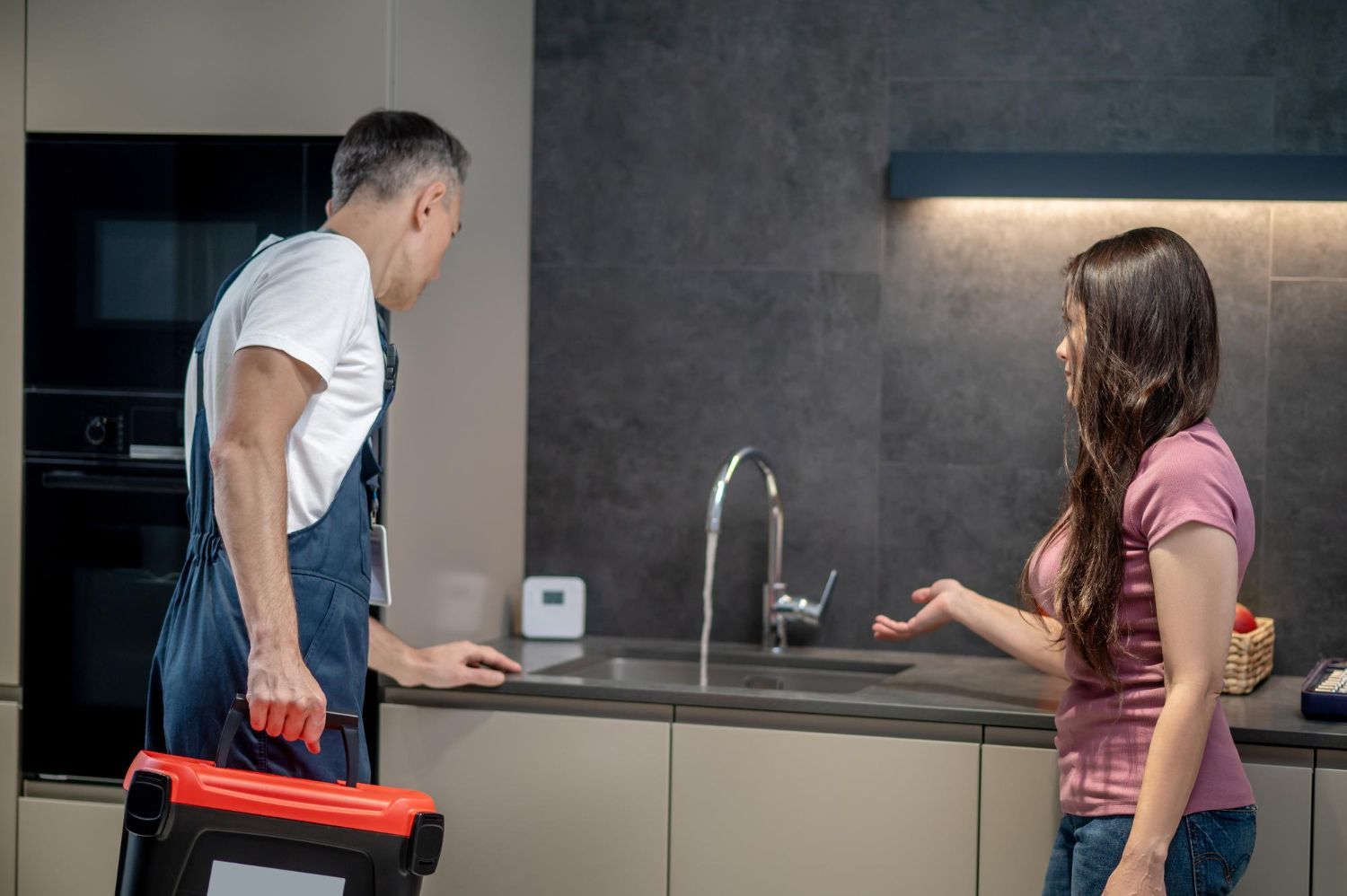
If you’ve gone through this list and found something that needs a closer look, or if winter’s already caught you out and you’ve got an issue that needs sorting, get in touch. We’re around 24/7, and we’d much rather help you prevent a problem than fix one after the damage is done. You can reach us through our contact page or give us a call whenever it suits.